Technology and Science, Innovation and Discovery 15/07/2026
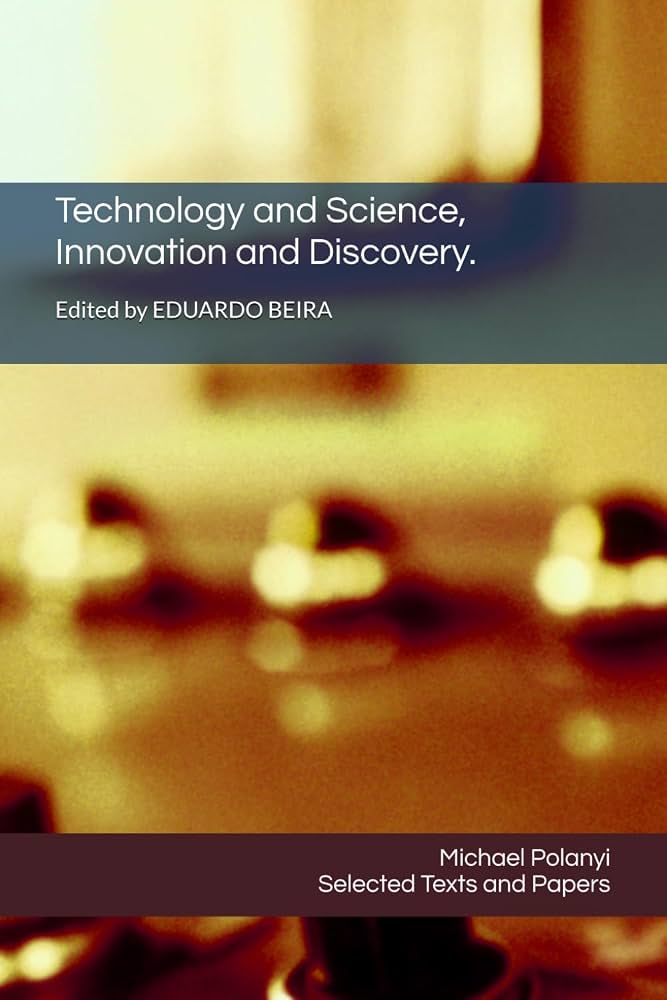 Technology and Science, Innovation and Discovery: Selected Texts and Papers by Michael Polanyi was edited by IN+ Senior Research Fellow Eduardo Beira, and published by Inovatec Press in June 2026.
This new book is a selection of unpublished texts and less-known published papers by Michael Polanyi, written from 1937 to 1971, covering his thoughts about both technology and science either in the “early” Polanyi period (before Personal Knowledge, published in 1958) and the “late” Polanyi period (after Personal Knowledge, the decade of 1960’s). This covers the origins and roots of the ideas and their refinement and transformation over the years.
This selection highlights the contributions of Polanyi as a post-critical philosopher of technology and as a modern post-critical philosopher of science (i.e., his better known reputation) incorporating his epistemology of tacit knowing. He always knew how to distinguish between science and technology, but always created bridges over them by integrating them in his broader philosophical framework. This collection includes some of Polanyi’s contributions to the organization of research in technology and science as well as to his theory of innovation (in technology) and discovery (in science).
Polanyi’s discussions of technology deserve better recognition - especially his theory of innovation, which extends beyond his better known contributions to the philosophy of science. The less known contributions of Polanyi to questions regarding patent policy and reform are included as contributions to the discussion of technologies in economics and social theory.
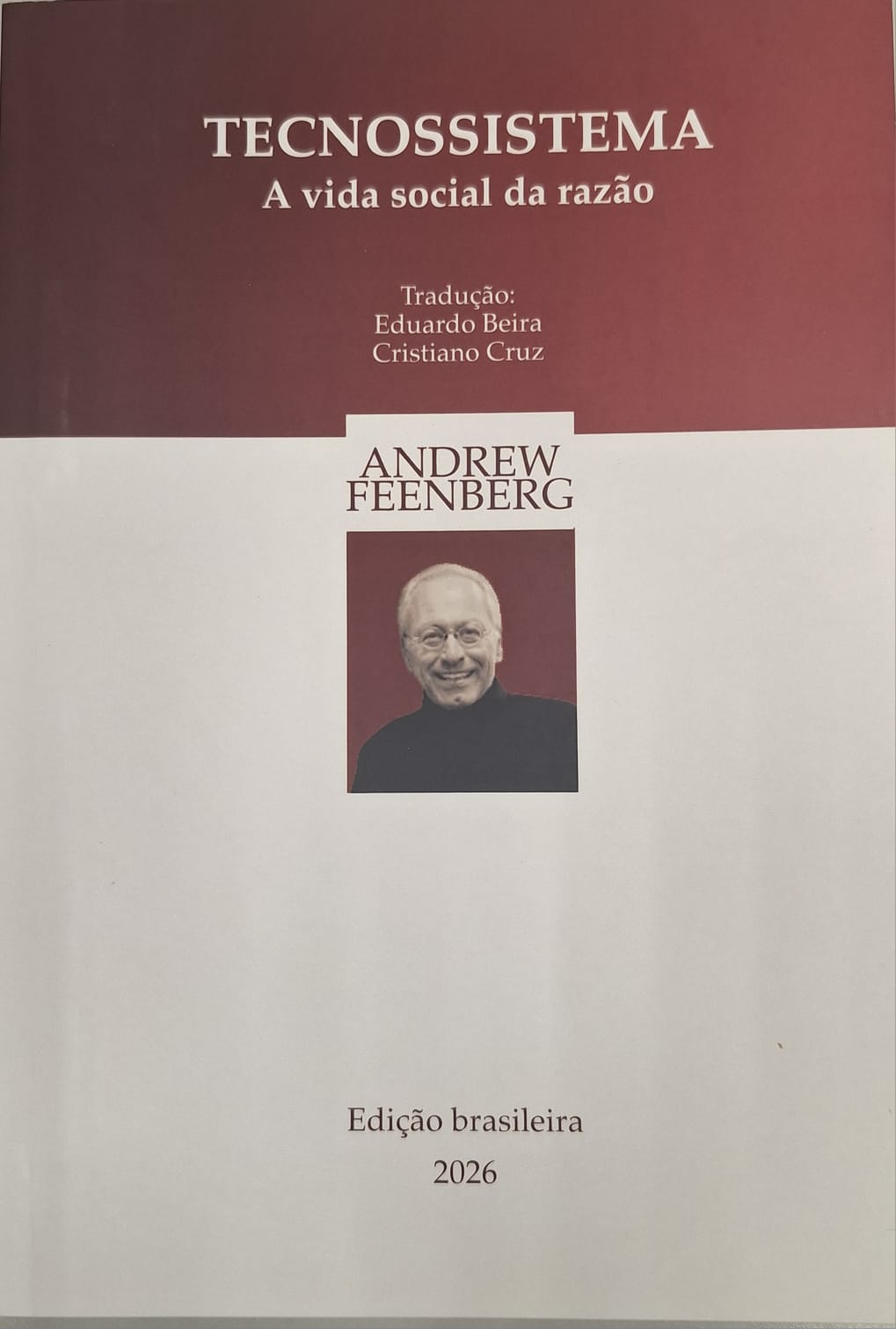
Also published in Brazilian Portuguese in June 2026, translated by Eduardo Beira and Cristiano Cruz, Andrew Feenberg's Technosystem: The Social Life of Reason addresses the threats posed by technocratic modernity and the potential for democratic change. In this work, Feenberg examines our life in a world of technical systems designed in accordance with technical disciplines and operated by technically trained personnel — a unique social organisation that largely determines our way of life — and he develops a theory of social rationality that encapsulates the threats and potential of technocratic modernity.